FOLIO I · THINKER · GEN. 04 · N° 065

Richard Kerschagl

Works
8
Articles
0
Generation
4.
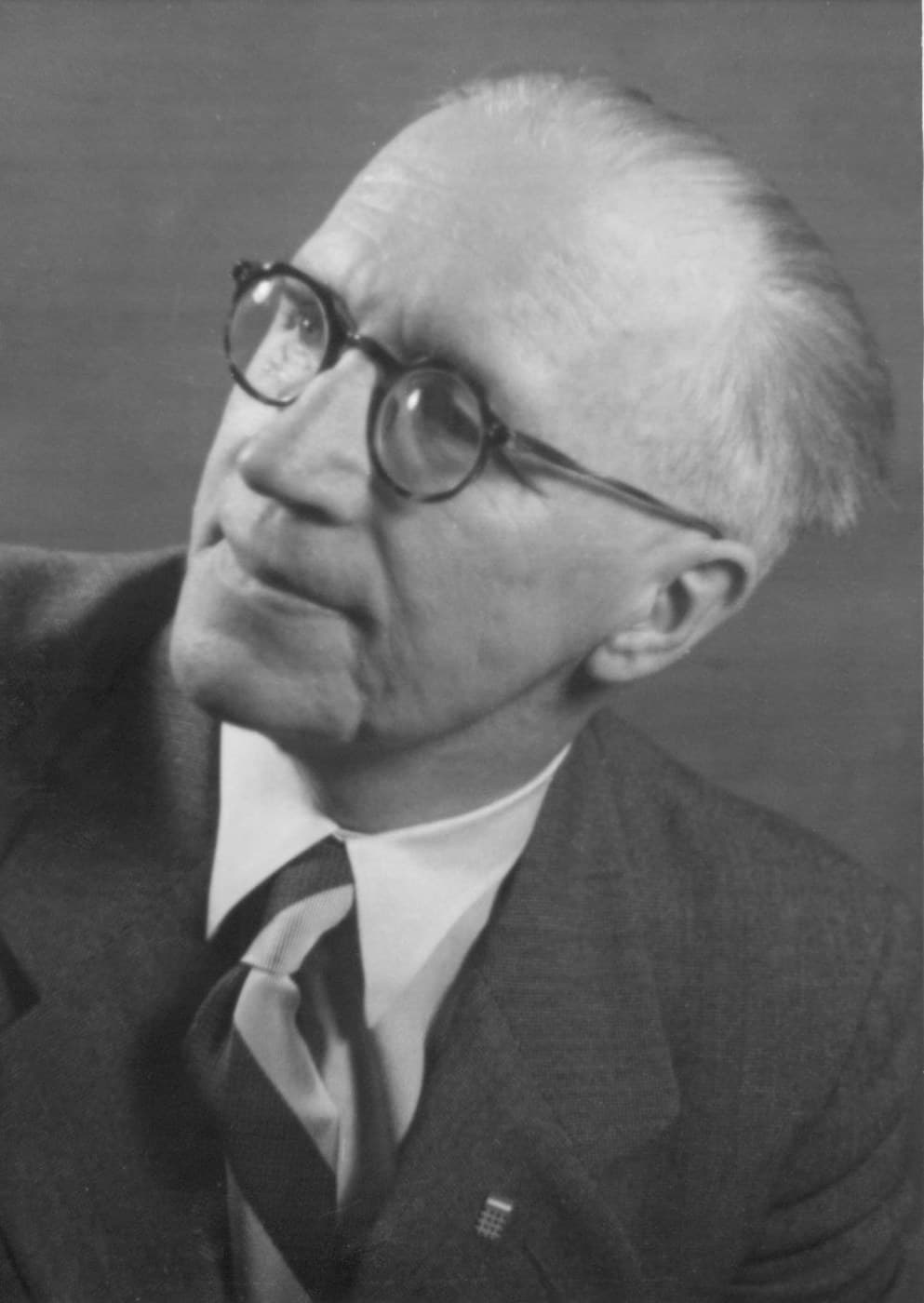
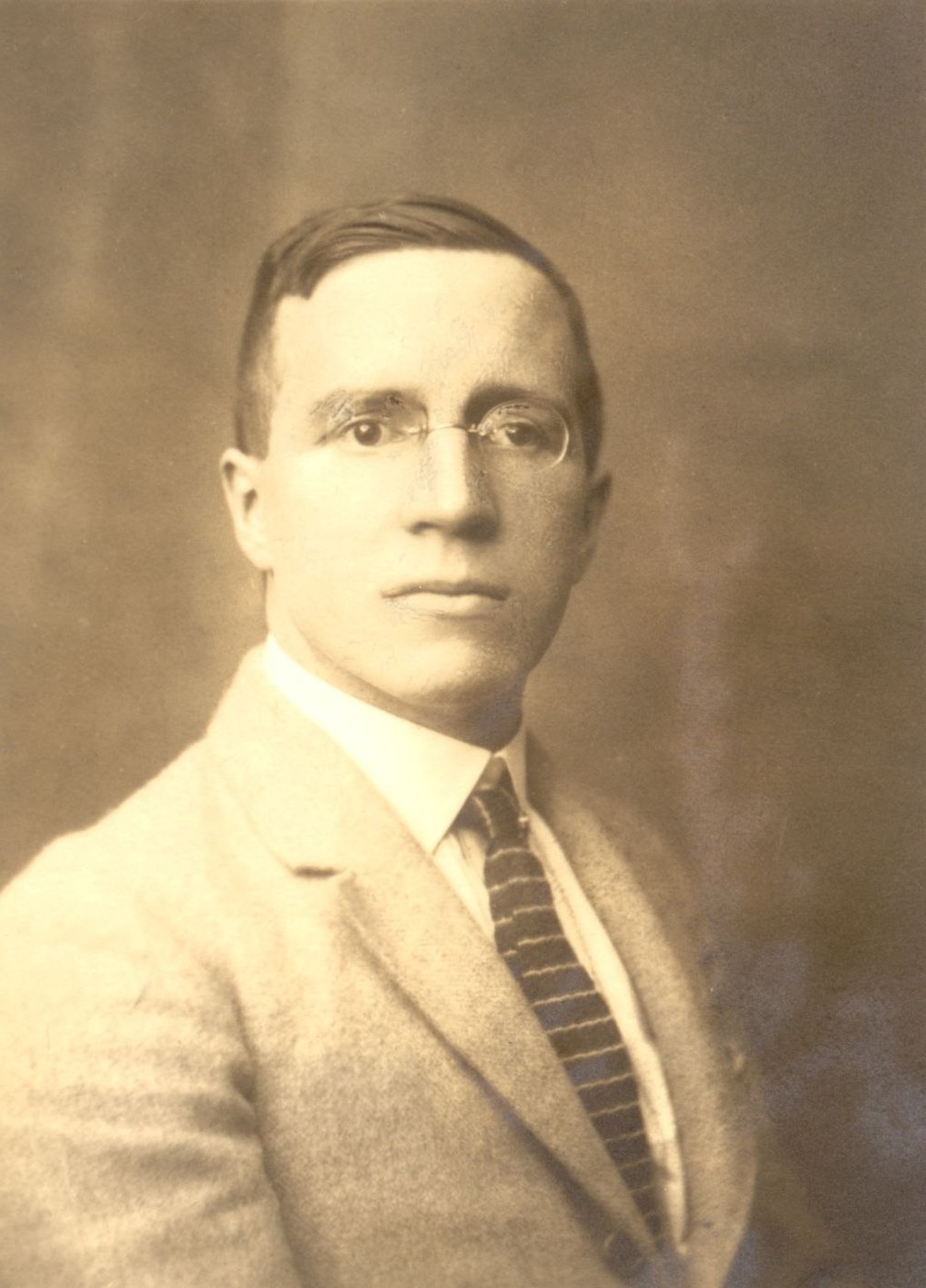
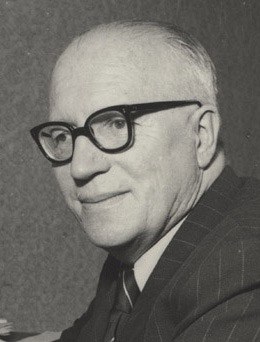
Portrait of Richard KerschaglPortrait of Richard Kerschagl: Zweites Porträtfoto aus dem Bildarchiv der Universität Wien Portrait of Richard Kerschagl: Porträtfoto 1953, Bildunterschrift: 'Aufnahme 1953 © Österre (1953)
FOL. 04 · N° 065 · Richard Kerschagl
BIOGRAPHY

Life and Work

Richard Kerschagl was born on 25 May 1896 in Vienna, the son of a municipal secondary-school headmaster and writer on music who came from a Carinthian peasant family. After taking the Matura (school-leaving examination) at the Schottengymnasium in 1914 and serving in the war as a reserve lieutenant, he studied law and political science at the University of Vienna, earning a doctorate in law (Dr. iur.) in 1919 and a doctorate in political science (Dr. rer. pol.) in 1922. His dissertation in political science was supervised by Othmar Spann, to whose universalist school Kerschagl was close during the 1920s without holding formal membership of the inner circle. From 1920 Kerschagl worked as a currency expert at the Austro-Hungarian Bank, and in 1923 he moved to the new Austrian National Bank as legal consultant and economic officer, where he later headed the statistics, publishing, and library departments. In academic terms, he qualified as a university lecturer (habilitation) in political economy at the Hochschule für Welthandel (College of World Trade) in 1922, became an associate professor in 1929 and a full professor of trade policy in 1937. In parallel, from 1928 he taught at the Consular Academy, where from 1930 he worked as professor of trade policy and in 1933 headed the Institute for Economic Policy. In 1933 he founded the Seminar for Monetary Research at the Hochschule für Welthandel. Politically, Kerschagl joined the Vienna Heimwehr in 1929, fought on the government's side in February 1934, and belonged to the Council of State and the Federal Diet of the Austrofascist corporate state (Ständestaat) from 1 November 1934 to 12 March 1938. With the Anschluss he was arrested on 13 March 1938 and held in custody until 29 July 1938; in August he was dismissed under the Civil Service Law (Berufsbeamtengesetz), served with a regional ban (Gauverbot), and in March 1940 retired on reduced pay. Until 1944 he worked in Berlin and as a bank manager in occupied Poland, then returned to Carinthia and joined the resistance movement. After 1945 he was immediately rehabilitated and advised the British military government as an economic expert; at the same time he was the government commissioner for western Carinthia. He returned to the Hochschule für Welthandel as full professor and head of the institute, served as its rector from 1947 to 1949 and from 1960 to 1962, was honorary professor at the University of Vienna from 1952, and was granted emeritus status in 1967. Until his death on 30 December 1976 in Hermagor, he was president of the Association of Austrian Adult Education Centres and of the Austrian UNESCO Commission. His scholarly output comprises more than 80 publications on money, banking, currency, and public finance; within the fabric of Viennese economics he stands between the Spann school and academic monetary theory, without ever having been part of the narrower Mises-Hayek line.
Metadata
25. Mai 1896
in Wien
30. Dezember 1976
Generation 4
Life stations

Stations

  1. ⁦1914–1922⁩
    ⁦1914–1922⁩
    Jus und Staatswissenschaften, Universität Wien

    Studium an der Universität Wien, unterbrochen durch Kriegsdienst als Leutnant der Reserve. Doppelpromotion Dr. iur. (1919) und Dr. rer. pol. (1922).

  2. 1919
    1919
    Dr. iur., Universität Wien

    Promotion zum Doktor der Rechtswissenschaften an der Universität Wien.

  3. ⁦1920–1923⁩
    ⁦1920–1923⁩
    Währungssachverständiger, Österreichisch-ungarische Bank

    Tätigkeit als Währungsexperte im Generalsekretariat der Österreichisch-ungarischen Bank.

  4. 1922
    1922
    Dr. rer. pol., Universität Wien

    Promotion zum Doktor der Staatswissenschaften, Dissertation betreut von Othmar Spann.

  5. 1922
    1922
    Habilitation für Politische Ökonomie, Hochschule für Welthandel

    Venia legendi für Politische Ökonomie an der Hochschule für Welthandel Wien; Spann lieferte ein freundlich-distanziertes Gutachten.

  6. ⁦1923–1938⁩
    ⁦1923–1938⁩
    Rechtskonsulent und volkswirtschaftlicher Referent, Österreichische Nationalbank

    Bei der Österreichischen Nationalbank tätig, später Leiter der Statistik-, Verlags- und Bibliotheksabteilung.

  7. ⁦1928–1938⁩
    ⁦1928–1938⁩
    Professor für Handelspolitik, Konsularakademie

    Lehrauftrag an der Konsularakademie ab 1928, ab 1930 Professor für Handelspolitik, ab 1933 Leiter des Instituts für Wirtschaftspolitik.

  8. ⁦1929–1937⁩
    ⁦1929–1937⁩
    Ausserordentlicher Professor, Hochschule für Welthandel

    Ausserordentliche Professur für Volkswirtschaftslehre und Finanzwissenschaft an der Hochschule für Welthandel.

  9. ⁦1937–1938⁩
    ⁦1937–1938⁩
    Ordentlicher Professor, Hochschule für Welthandel

    Berufung zum Ordinarius für Handelspolitik. Nach dem „Anschluss“ 1938 Verlust aller Ämter.

  10. ⁦1938–1944⁩
    ⁦1938–1944⁩
    Bankleiter im besetzten Polen

    Nach BBG-Entlassung und Gauverbot Tätigkeit in Berlin, anschliessend Leitung einer Bank im besetzten Polen bis 1944.

  11. ⁦1945–1967⁩
    ⁦1945–1967⁩
    Ordinarius und Institutsvorstand, Hochschule für Welthandel

    Nach Rehabilitierung Ordinarius für Volkswirtschaftslehre und Vorstand des Instituts für Nationalökonomie; Rektor 1947–49 und 1960–62.

  12. ⁦1952–1967⁩
    ⁦1952–1967⁩
    Honorarprofessor, Universität Wien

    Honorarprofessur an der Universität Wien parallel zum Ordinariat an der Hochschule für Welthandel.

  13. 1967
    1967
    Emeritus Status

    Emeritierung als Ordinarius an der Hochschule für Welthandel.

  14. 1976
    1976
    Tod in Hermagor

    Gestorben am 30. Dezember 1976 in Hermagor; Bestattung am 6. Jänner 1977.

Relationships

Influences

Influenced by · 2
  1. ⁦1922–1922⁩
    ⁦1922–1922⁩
    Othmar Spann⁦(1878–1950)⁩ · Universalismus

    Spann supervised Kerschagl's dissertation in political science (Dr. rer. pol., 1922) at the University of Vienna.

  2. ⁦1922–1929⁩
    ⁦1922–1929⁩
    Othmar Spann⁦(1878–1950)⁩ · Universalismus

    Spann wrote the expert assessment for the Habilitation and for the promotion to extraordinary professor at the Hochschule für Welthandel; he praised the versatility and criticised the superficiality.

Richard Kerschagl in the context of the School as a whole: five generations, their teacher-student lineages, circles and collegial ties.

CATALOGUE OF WORKS · CHRONOLOGICAL

The Books

1920s
1920
Die Währungstrennung in den Nationalstaaten
OriginalGerman
1923
Theorie des Geldes und der Geldwirtschaft
OriginalGerman
1925
Einführung in die Methodenlehre der Nationalökonomie
OriginalGerman
1930s
1930
Geld- und Kreditpolitik
OriginalGerman
1938
Der Anteil Österreichs an den Fortschritten der modernen Nationalökonomie
OriginalGerman
1940s
1947
Handelspolitik
OriginalGerman
1950s
1950
Abriß der Finanzwirtschaft
OriginalGerman
1970s
1973
Die Inflation
OriginalGerman
APA
Chicago
German historical style