FOLIO III · ORT
The National Socialist ghetto of Theresienstadt, in the occupied Protectorate of Bohemia and Moravia, served between 1941 and 1945 as a transit point and place of death for deported Jews, among them several Viennese economists.
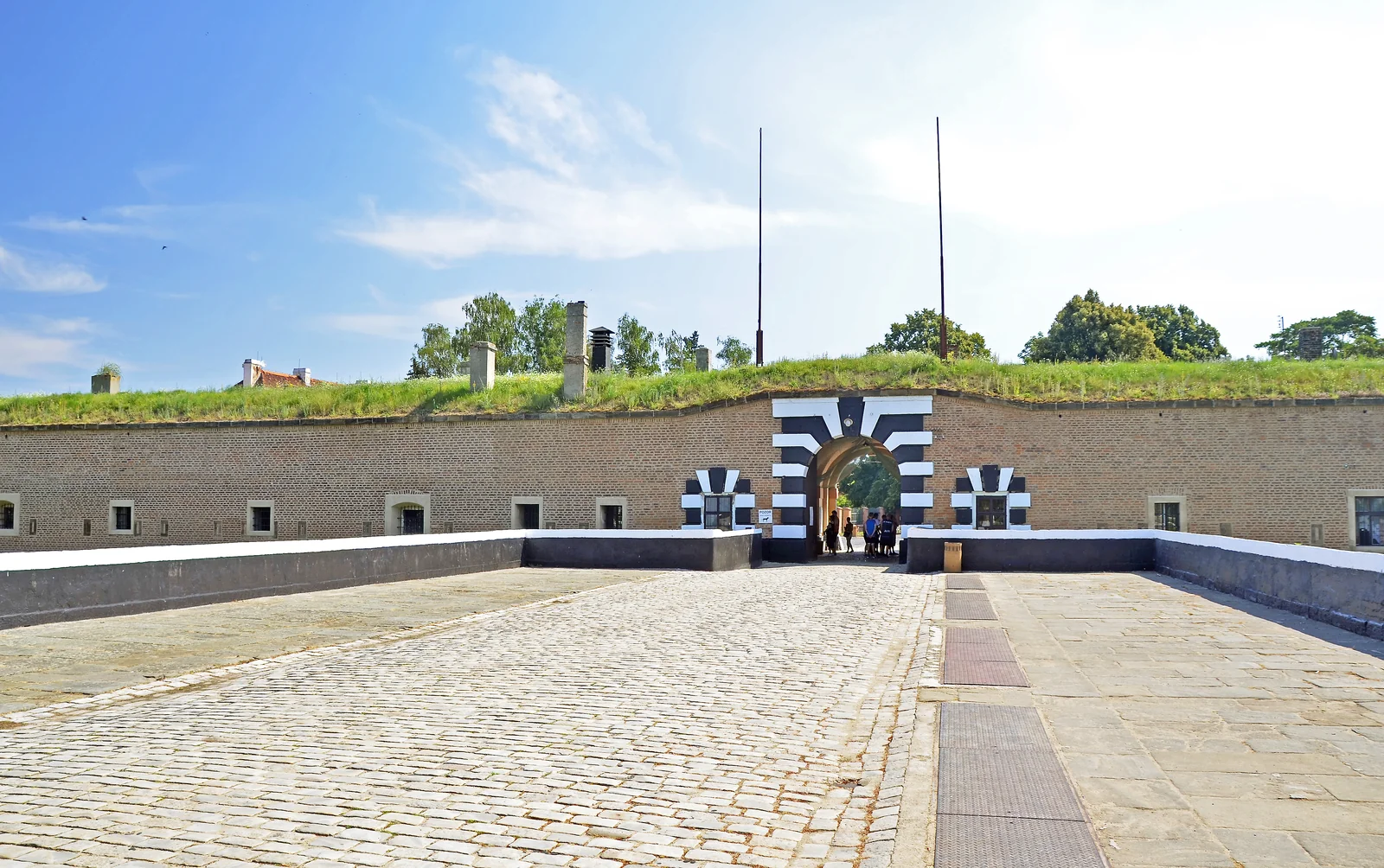
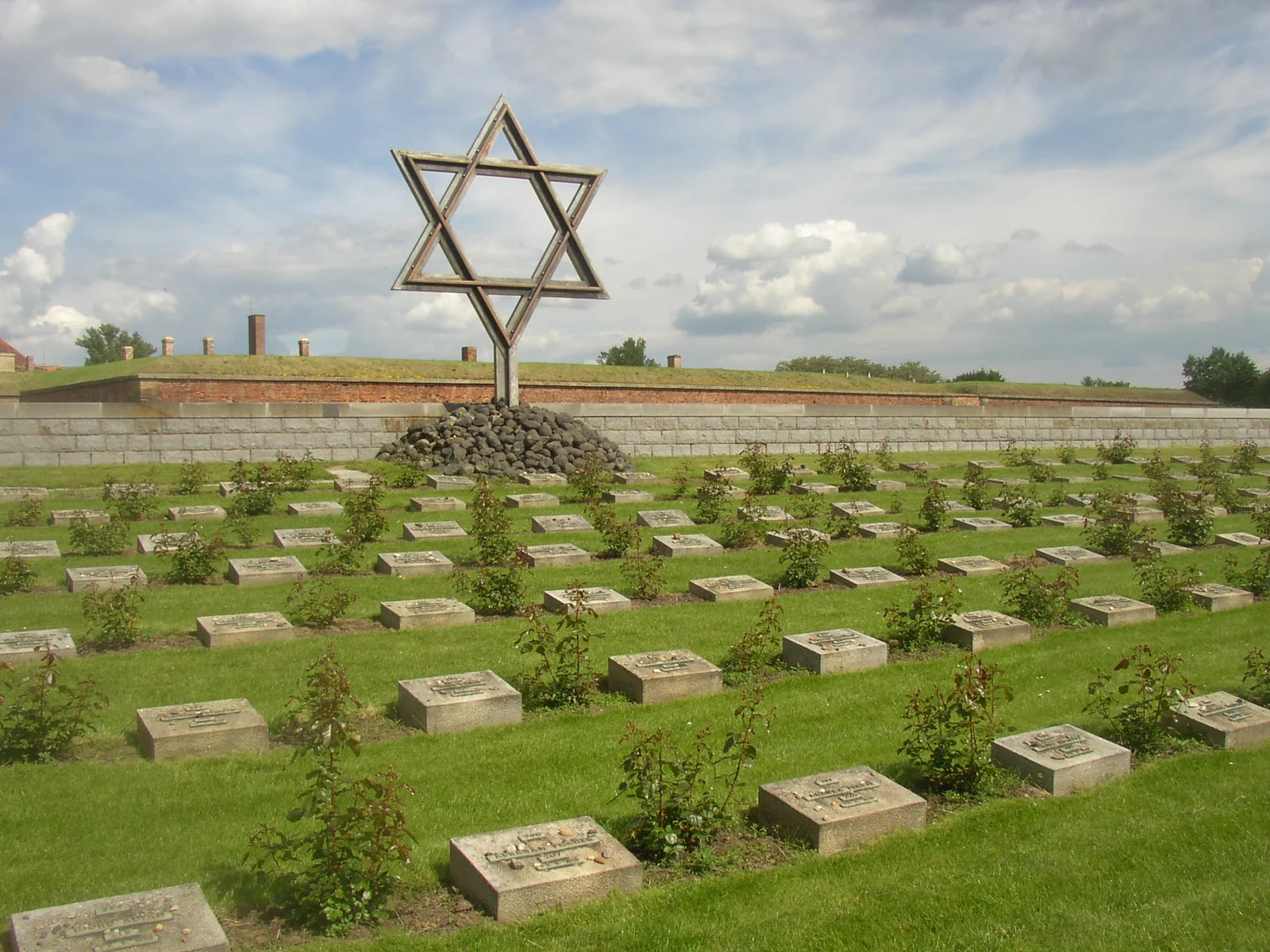
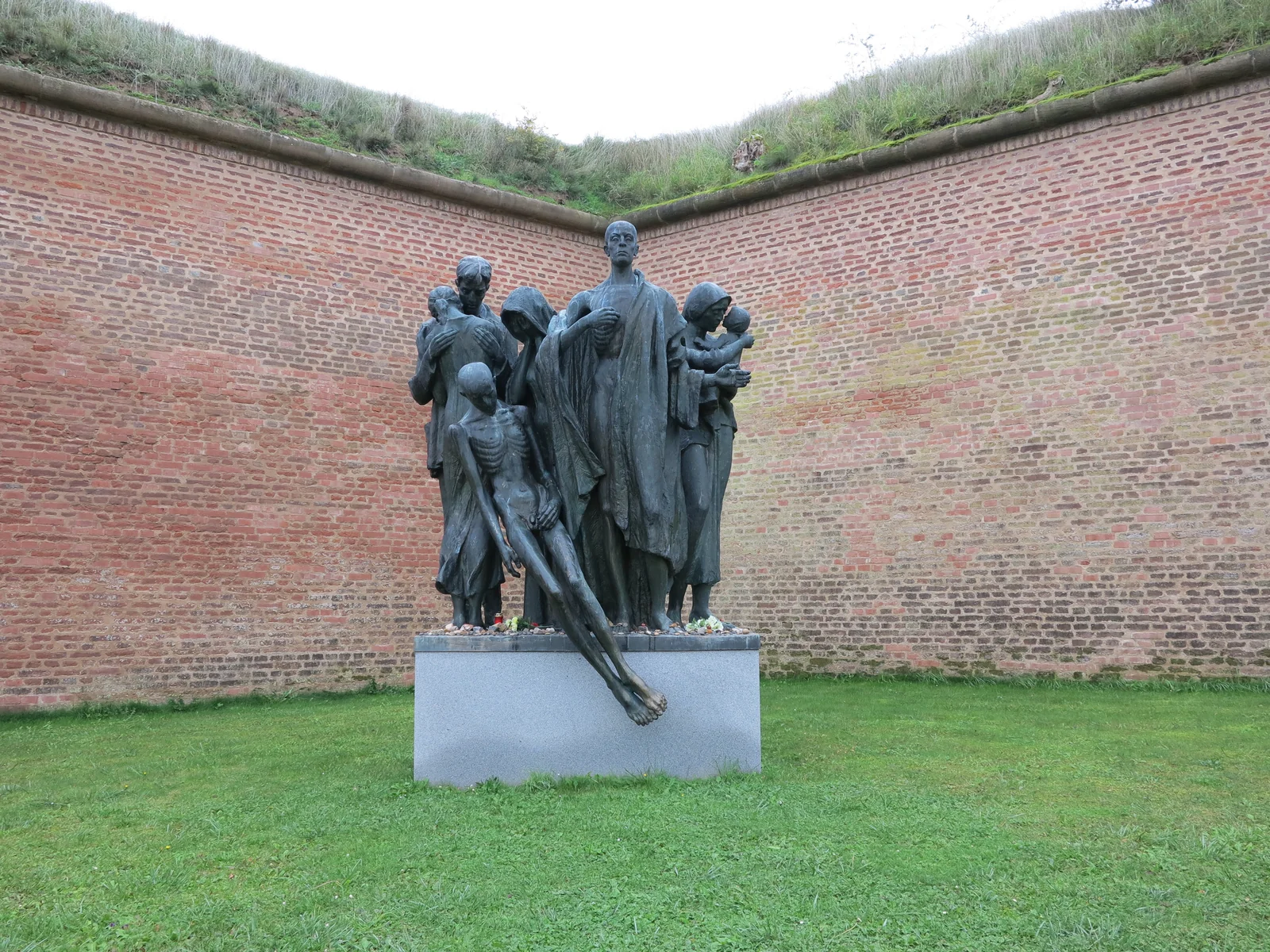
In November 1941 the German occupiers set up an assembly and transit camp in the Austrian garrison town of Theresienstadt, Terezín in Czech. Presented to the outside world as a so-called model ghetto and a propaganda backdrop, it was in fact a way station on the road to the extermination camps in the east and a place where thousands died of hunger, disease and the enforced overcrowding. By the liberation in May 1945, more than 140,000 people had been deported to Theresienstadt; around 33,000 died there, and a further 88,000 were transported on to Auschwitz and other camps. Representatives of the closer circle of the Austrian School were deported here as well. Emil Perels, co-founder of the Nationalökonomische Gesellschaft and a boyhood friend of Ludwig von Mises, arrived in Theresienstadt from Vienna on 24 September 1942 and was sent on to Auschwitz on 16 October 1944. The ministerial councillor and Böhm-Bawerk scholar Ludwig Bettelheim-Gabillon arrived on 9 October 1942 with transport IV/13 and died on 28 February 1943 from the conditions in the camp.