FOLIO III · ORT

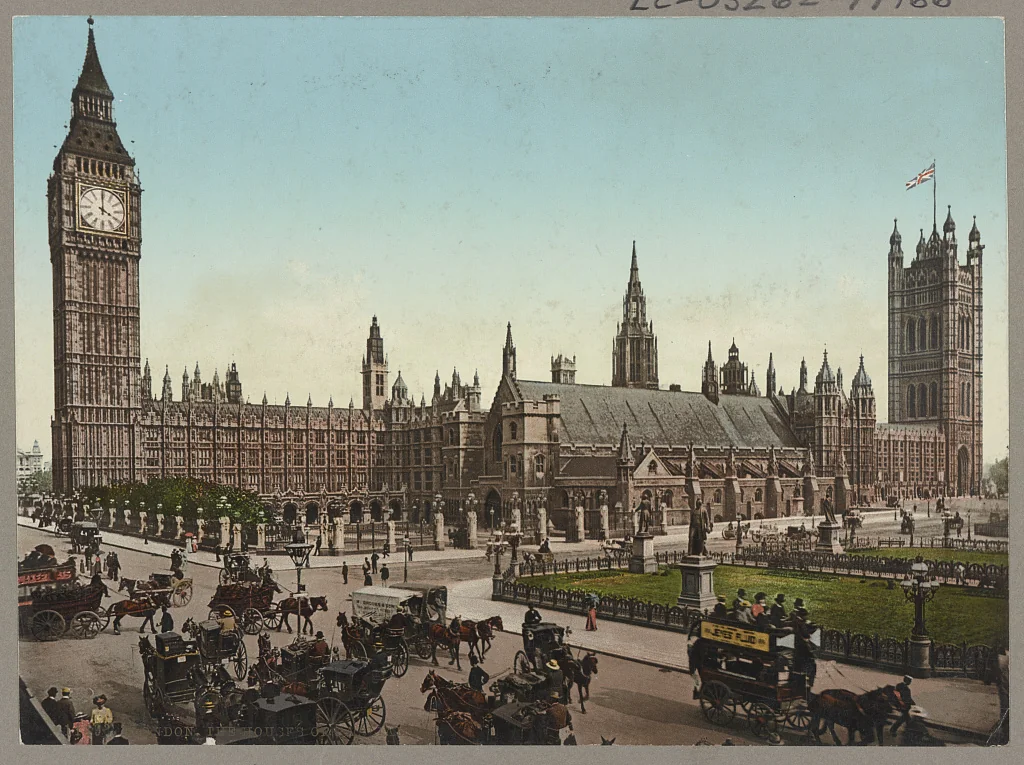
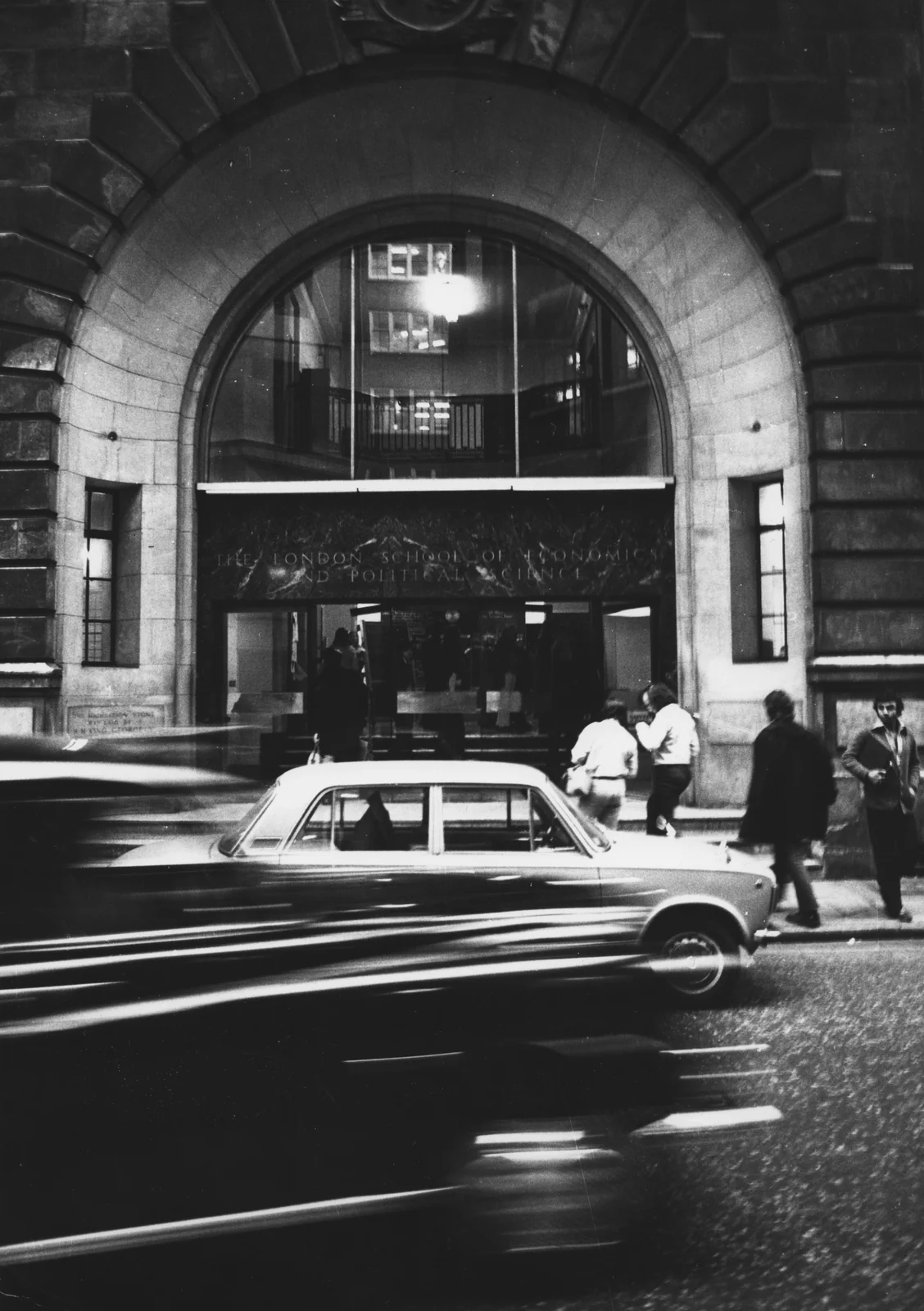
Friedrich August von Hayek taught in the capital of Great Britain at the London School of Economics (LSE) from 1931 to 1950. London thereby became the most important centre of the Austrian School in the English-speaking world.
Friedrich August von Hayek taught in the capital of Great Britain at the London School of Economics (LSE) from 1931 to 1950. After an influential early period, he gradually lost ground here towards the end of the 1930s to the followers of John Maynard Keynes. Ludwig Lachmann was at the LSE from 1933 to 1948, first as a student and later as a colleague of Friedrich Hayek. G.L.S. Shackle began his doctoral thesis at the LSE in the 1930s under Friedrich Hayek, but then turned to an interpretation of Keynes's General Theory of Employment, Interest and Money. Israel M. Kirzner was born here in 1930 but left London at the age of ten. He later returned for a year as an external student at the University of London. Vera C. Smith Lutz also studied at the LSE under Hayek and distinguished herself particularly in the field of Free Banking.
Where paths crossed in London: teachers and students, Privatseminar members, colleagues, antipodes. Filter by relationship type and phase, with counts.
A direct student of Friedrich August von Hayek; in 1935 she submitted her dissertation “The Rationale of Central Banking and the Free Banking Alternative”, supervised by Hayek, at the LSE.
At the LSE, Lachmann belonged to Hayek's closest academic circle and developed radical subjectivism further out of this line.
After his studies, a colleague of Friedrich August von Hayek at the London School of Economics; collaboration until the move to Johannesburg in 1948.
After Shackle had begun his doctoral thesis under Hayek, he subsequently turned to radical subjectivism and pushed it as far as nihilism.
His LSE fellow student George Shackle influenced Lachmann's later work (radical subjectivism, expectations theory).
Became a close friend of Ludwig Lachmann at the LSE; Lachmann developed his theory of divergent expectations further out of Shackle's work on uncertainty.