FOLIO III · ORT

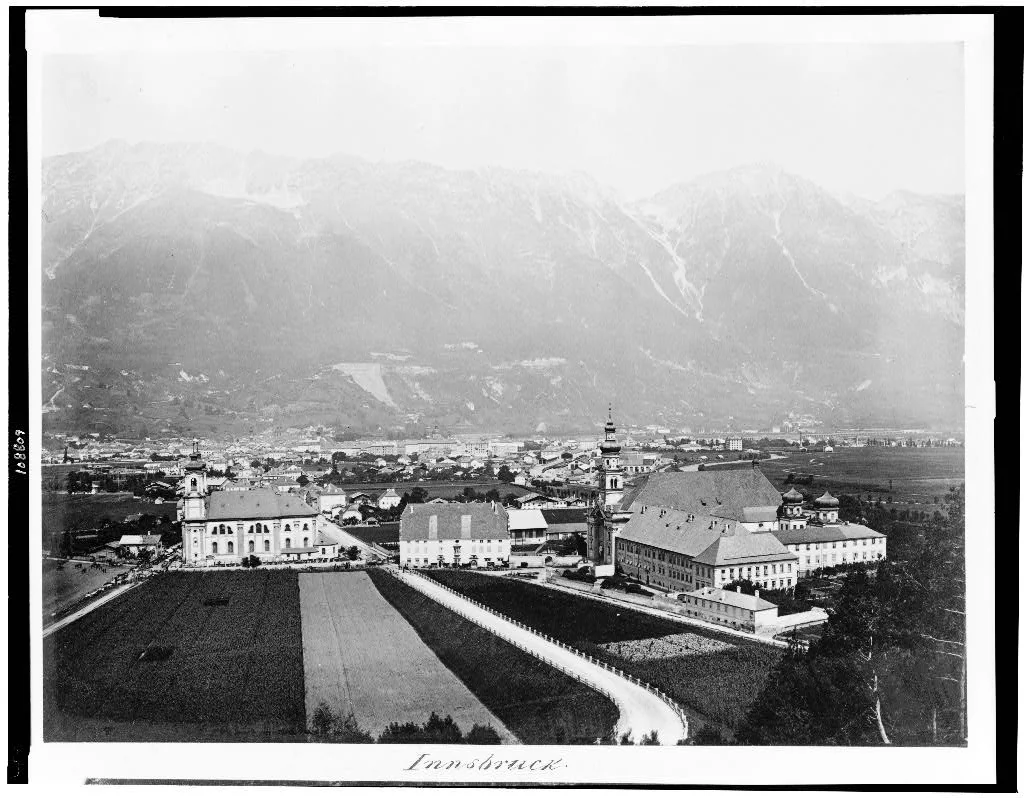
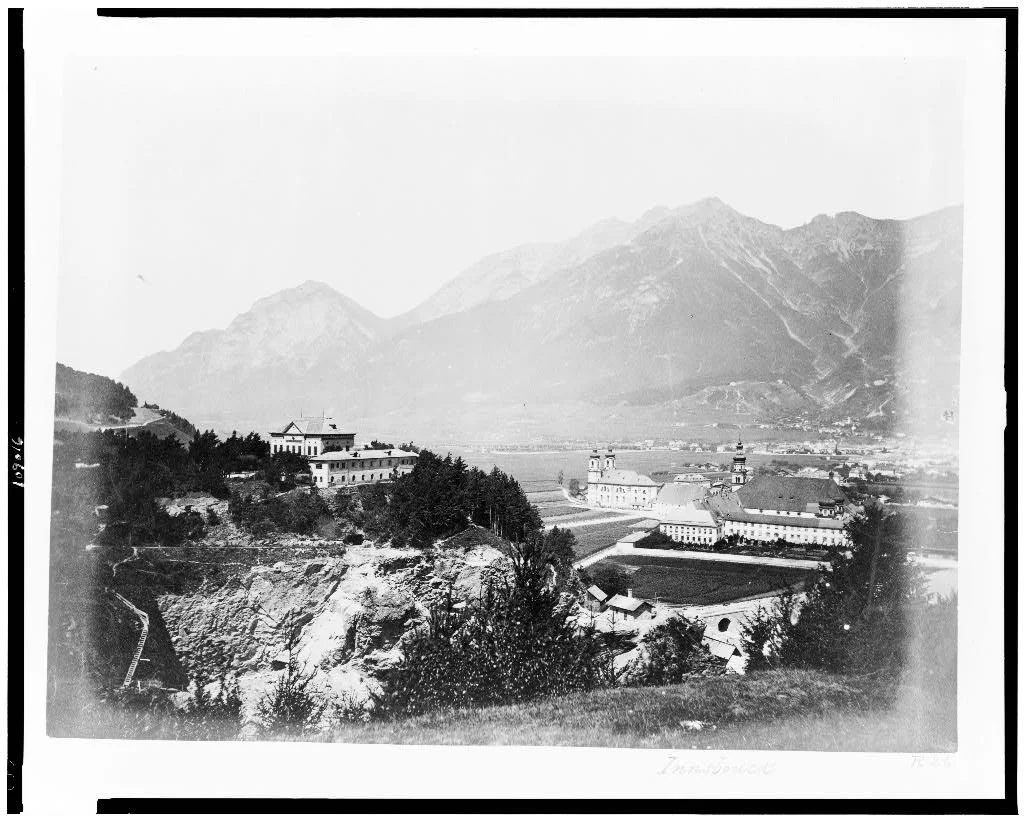
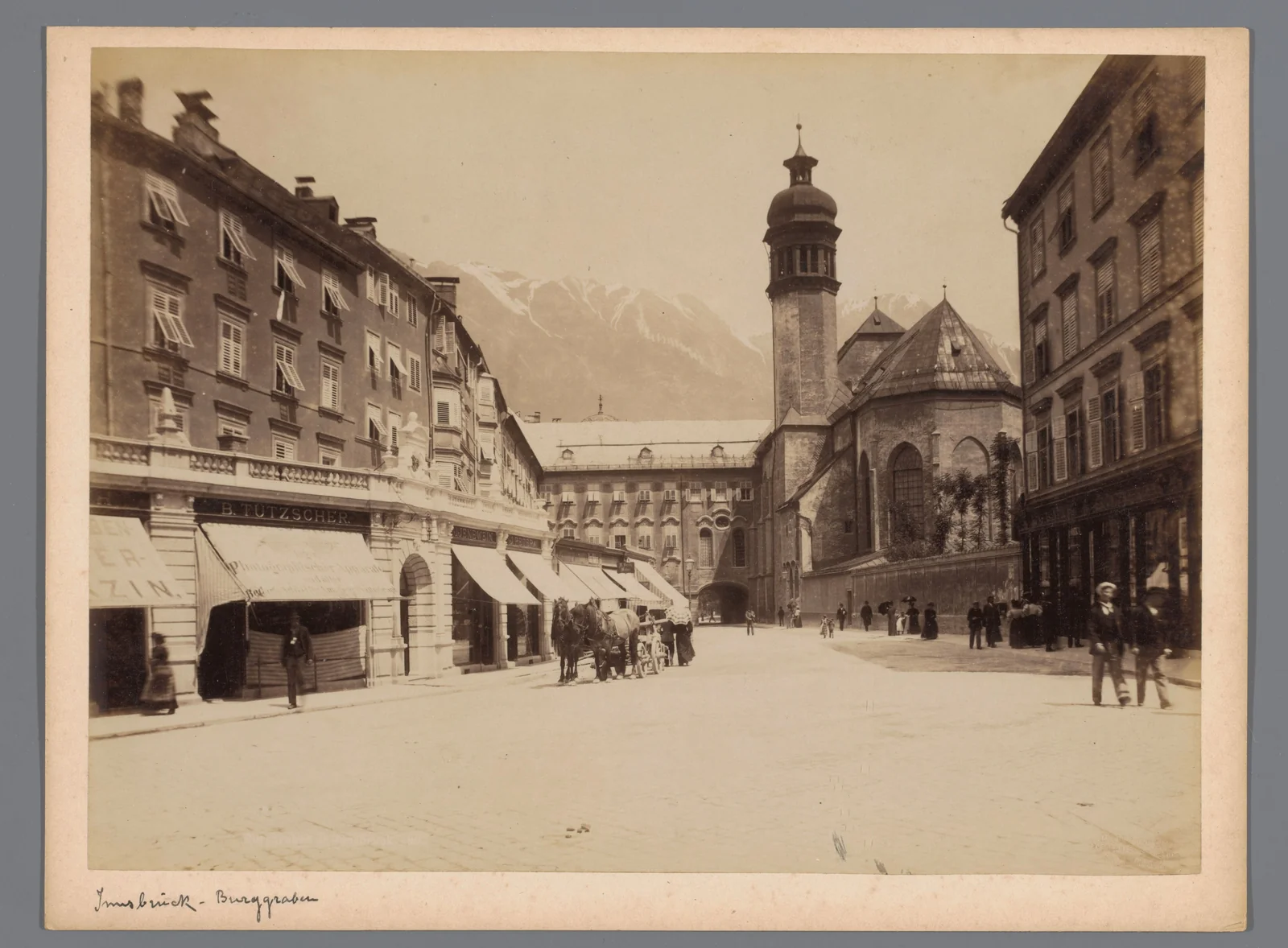
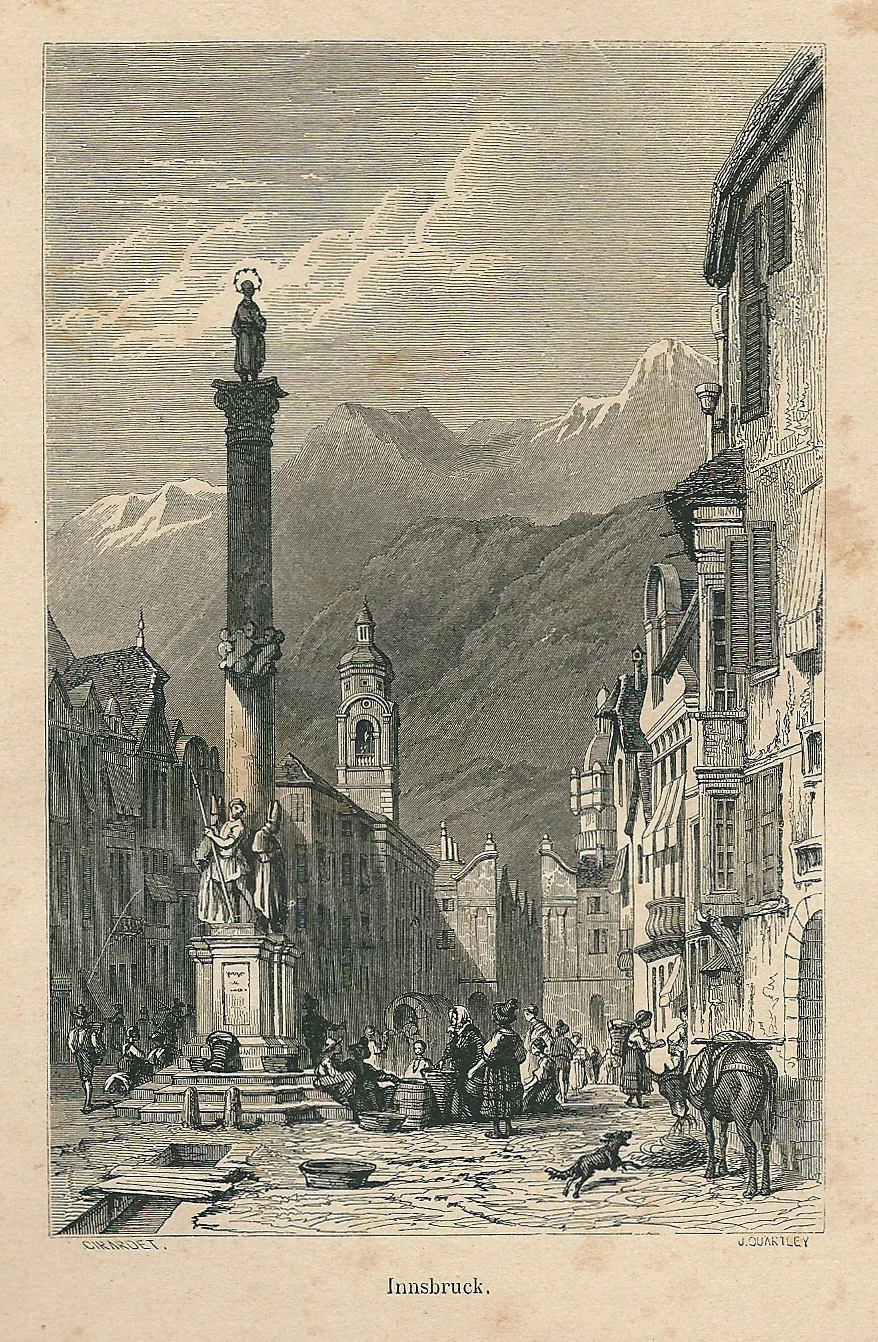
The university in the Tyrolean provincial capital, founded in 1669 by Emperor Leopold I, served several thinkers of the Austrian School as a place of work, even though the comparatively small university was rather unpopular among professors.
Eugen Böhm von Bawerk, however, spent a very happy time here in the Tyrolean Alps. In 1882, he was charged with the temporary teaching of economics at the University of Innsbruck. He then worked as an associate professor and, from 1884 until his move to the Ministry of Finance in 1889, as a full professor. At the University of Innsbruck, Viktor Mataja first became an associate professor in 1890 and, in 1892, as Böhm von Bawerk's successor, a full professor, until his move to Vienna in 1897. Hermann von Schullern zu Schrattenhofen worked for many years at the university of his native city, from 1922 to 1925 even as rector. Hans Bayer received an associate professorship at the University of Innsbruck in 1937 and returned there after the Second World War.
Where paths crossed in Innsbruck: teachers and students, Privatseminar members, colleagues, antipodes. Filter by relationship type and phase, with counts.
Studied law at the University of Innsbruck in 1884-1887, among others under Eugen von Böhm-Bawerk; at that time Böhm-Bawerk was a professor in Innsbruck.
In 1892 became Eugen von Böhm-Bawerk's successor as full professor at the University of Innsbruck; institutional continuity of the chair in the spirit of the Austrian School.
Student of Eugen Böhm-Bawerk during the latter's teaching in Innsbruck; on this basis he received the venia legendi in economics in 1889 and turned to the marginal-utility school.